All Hands-on Deck: GSBA Get P.A.I.D. Scholar Sails Around the World
D’Leen Betts Charts a New Course by Cortney Gosset
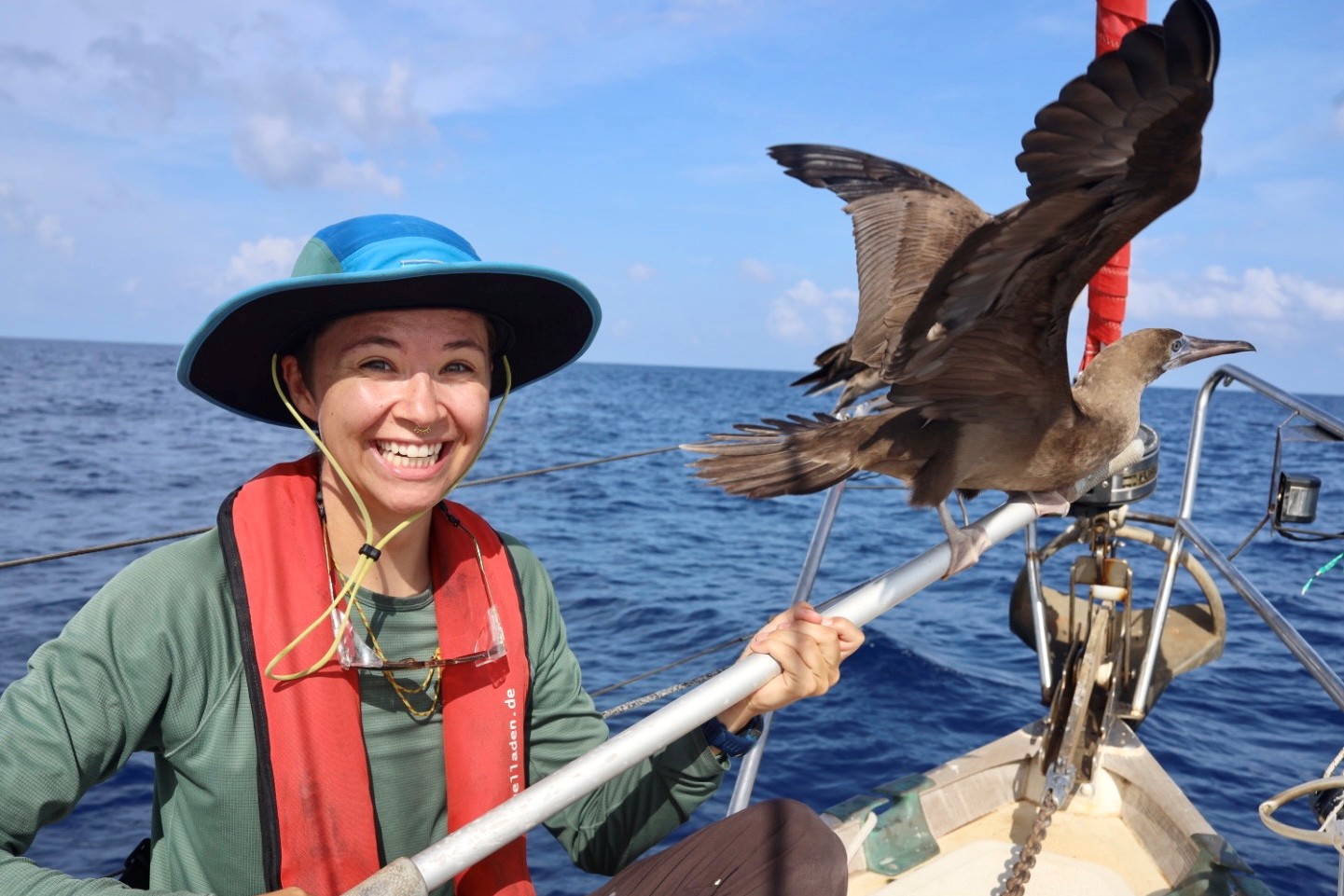
Mexico. French Polynesia. Australia. South Africa. Brazil. Two years at sea, an entire planet circumnavigated, all of it powered by a single wooden boat and a crew member who, less than two years earlier, had never touched a tool in their life.
That’s D’Leen Betts (they/them), GSBA scholar, boatbuilder, and now, quite literally, someone who has sailed around the world. Here’s how a 12-month boatbuilding program turned into the adventure of a lifetime, and how GSBA’s Scholarship & Education Fund helped make room for it.
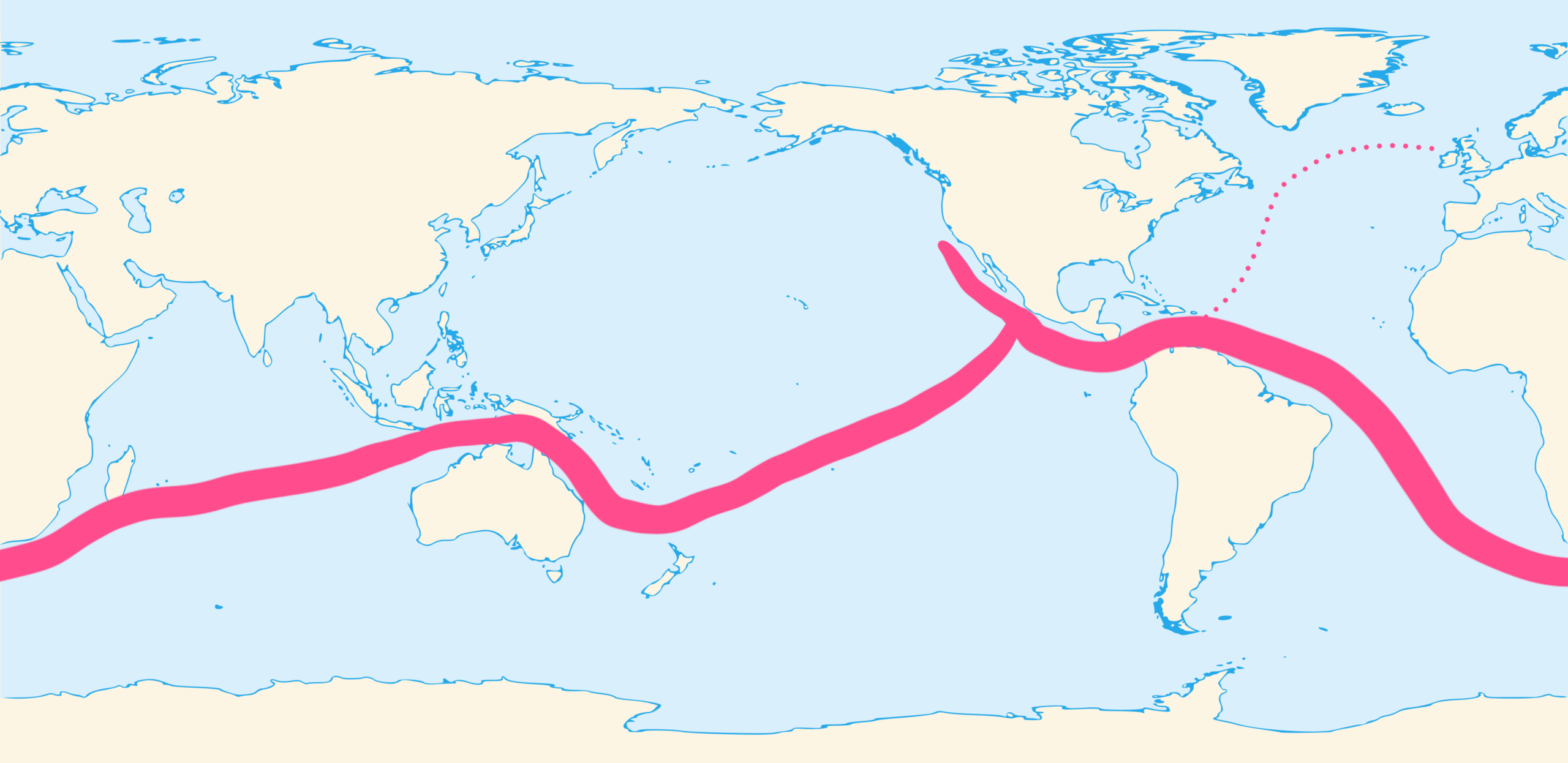
“Circumnavigation map, chart of their course, as drawn by D’Leen”
Starting From Scratch
Rewind to the start. D’Leen had never really worked with tools before, they had the basics down, sure, but professionally worked with them? Not at all. They enrolled in the Northwest School of Wooden Boatbuilding, and for the next 12 months, 8am to 5pm, every single day, they learned to build a boat from nothing. Twelve months later, we have a boat ready for the seas!
As a disabled student, D’Leen also had to figure out the program on their own terms, in real time, with no roadmap.
They came out the other side with a finished boat, a hard-won set of self-advocacy skills, and a skillset most people spend a lifetime working toward. And still yet, they are only just get started.
From the Boatyard to the Open Ocean
Boatbuilding school gave D’Leen the fundamentals. What came next, was sink or swim.
D’Leen landed a job in a boatyard, restoring a 50-year-old vessel that needed almost everything: new decks, rebuilt steering columns, one impossible problem after another, with no instructor standing by to bail them out. They got good. Good enough that people who’d been in the trade for decades started coming to D’Leen for advice. Then came the plot twist nobody saw coming, including D’Leen. They stayed on as crew. The boat left the dock. It didn’t come back for almost two years.
This is not a normal scholar story. This is a “you will not believe what this person did before finishing their degree” story. And GSBA got to be part of it.
Isolation, and Then a Grant
For all its scenery, the sailing world D’Leen had stepped into was a narrow one.
D’Leen noticed something bigger, too: how rarely disabled people get handed the invitation to take the risk, chase the adventure, leave the dock at all.
So, with barely any cell service and an idea that felt enormous, D’Leen and a friend wrote a grant. The plan: teach queer and disabled folks to sail, not just along the coast, but offshore, in open water, where you have to actually trust your crew with your life.
The grant got funded. They ran it for three months. And that’s when everything clicked.
Out on the water, bringing other queer and disabled sailors on board for the first time, D’Leen felt something they hadn’t felt in the rest of the sailing world.
That’s not a small thing. That’s the whole point.
All Hands on Deck: Building What’s Next
D’Leen is now working toward a certification in occupational therapy, with a plan to fuse it directly with boatbuilding: sailing programs built by and for queer and disabled people, from the ground up.
When asked what they’d tell the version of themselves who first walked into boatbuilding school, not knowing any of this was coming, D’Leen didn’t hesitate.
Why GSBA?
D’Leen walked into a scholarship community that didn’t ask them to shrink any part of themselves to fit. Not the disability, not the queerness, not the fact that their path looked nothing like a typical transcript.
GSBA’s Scholarship Director, Stacy, has watched that shift happen in real time, as GSBA has expanded its workforce scholarship track. Workforce scholars now make up roughly 40% of GSBA’s scholar community, climbing toward parity with traditional academic paths, because stories like D’Leen’s are
exactly who this fund was built for.
“I also connect with GSBA’s commitment to supporting people who have historically been excluded,” D’Leen said. “There’s an important difference between benefiting from an equitable space and taking responsibility for helping create those spaces for other people.”
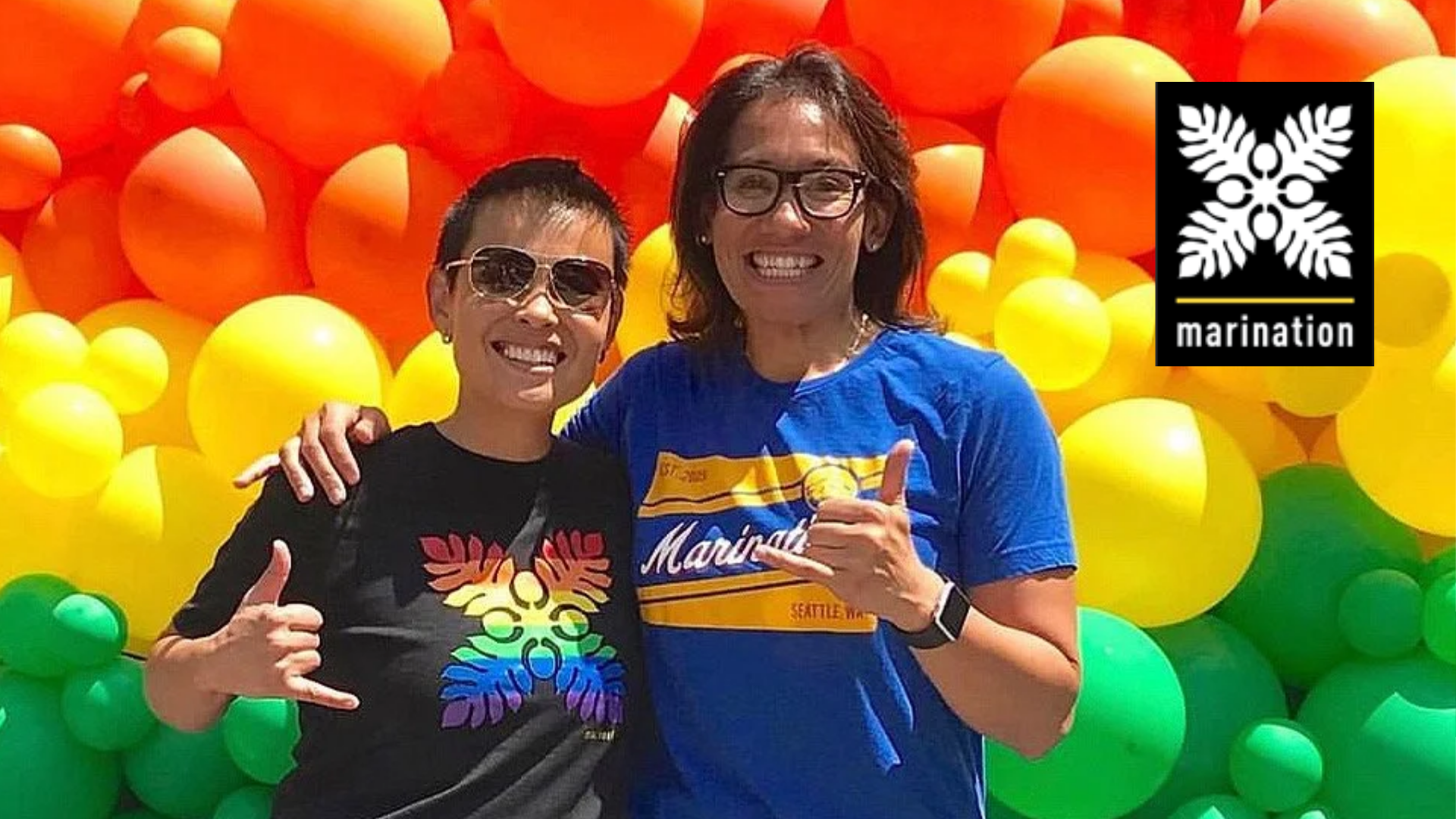
D’Leen is a Get P.A.I.D. scholar, a fund started by Marination co-founder and owner Roz Edison to uplift LGBTQ+ folks pursuing “in-demand” workforce pathways in healthcare, construction, automotive, or marine trades.
D’Leen isn’t done being on the water. Right now, they’re “doing their time on land”, in school, building toward the next chapter. But make no mistake about where this is headed.
Support scholars like D’Leen, this is the future you get to help build.
Every gift to the GSBA Scholarship & Education Fund helps make room for stories like D’Leen’s, students who don’t just need funding, they need a community willing to back the version of their future that doesn’t look like anyone else’s. You can give here.
Not able to give right now? Volunteer. Mentor a scholar. Show up at an event and be one of the people in the room who makes someone feel exactly the way D’Leen felt on that boat: seen, understood, and not alone. This community doesn’t run on donations alone, it runs on people who choose to show up for each other. Be one of them.