Retiring these 5 Myths of Making a Will
Make-A-Will Month, where to start, and the continued life of our values.
There are approximately 47 things we’d rather talk about than writing a will. But your values deserve a future.
August is National Make-A-Will Month, so we asked three GSBA Board Members to talk about the “big scaries” of making a will: Dewey, who has completed his; Danny, who has committed to legacy giving and is beginning the process; and Jordie Neth, a CPA who has helped plenty of other people navigate what happens after someone dies and still managed to procrastinate on his own.
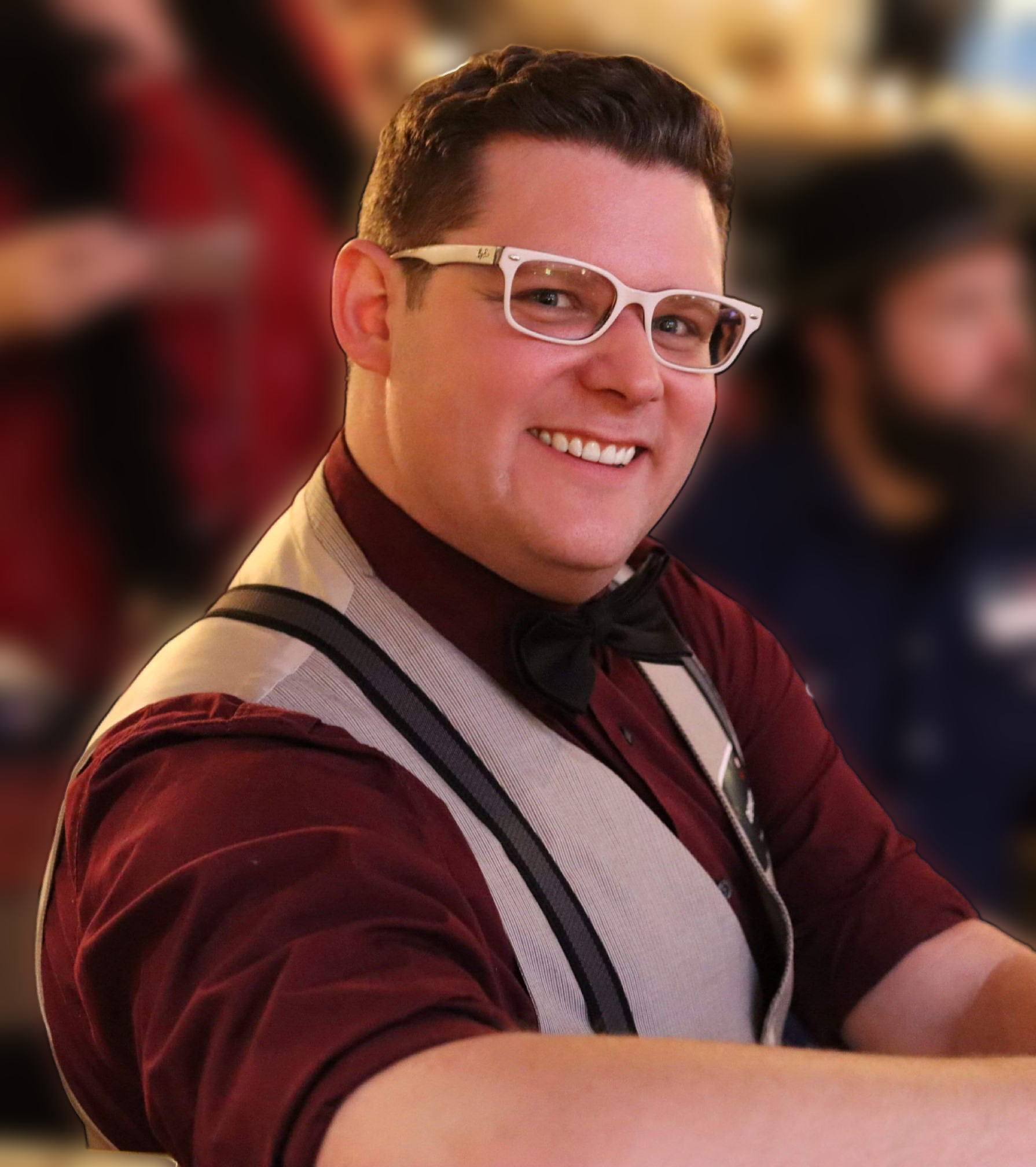
Dewey

Danny Cords
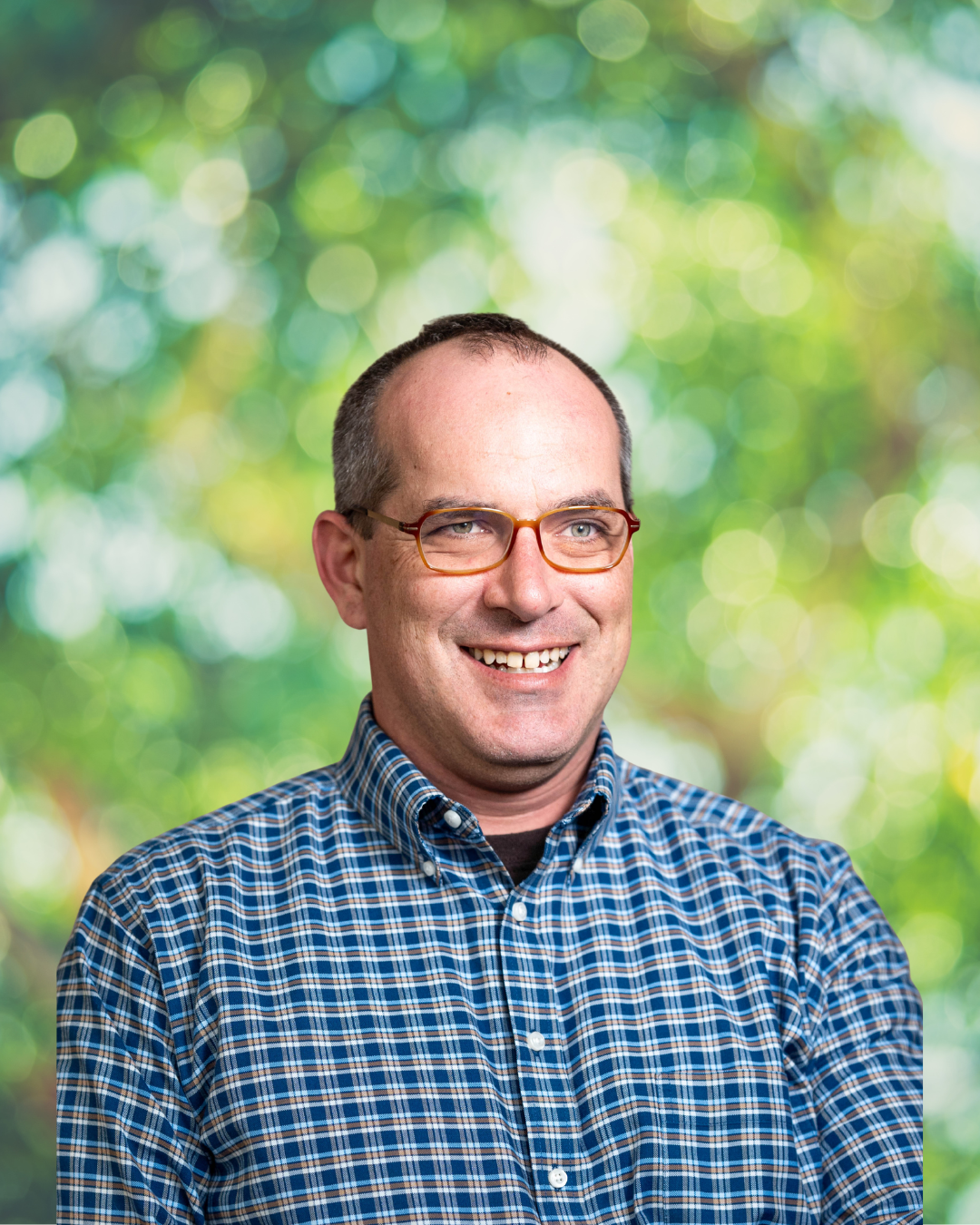
Jordie Neth

So, if your estate plan currently consists of I’ll get to it eventually, you’re in good company. Let’s retire a few of the myths keeping it there.
Myth #1: “I don’t have enough to leave behind.”
Estate planning has a branding problem. You hear “estate” and picture sprawling properties and enormous portfolios. In reality, you don’t need to be wealthy to have wishes worth putting in writing.
Danny once wondered the same thing: “I don’t make enough money or have enough to give. Is the effort worth the impact?” He first committed to legacy giving when he made about one quarter of what he makes today. “Capacity can and does grow over time,” Danny said.
You don’t have to wait until you’ve accumulated some imaginary amount of wealth before your wishes become worth documenting. Jordie often reminds friends that without the proper documents, the family they may not have a relationship with could end up inheriting what they leave behind, regardless of how many times they’ve told a friend, “I want it all to go to XYZ.”
You don’t need a fortune. You need a plan for what you have.
Myth #2: “I’m too young for this.”
We regret to inform you that none of us have unlocked immortality. “You are never too young,” Jordie said. “In fact, it might be easier to do when you are younger and have less.”
For Dewey, making a will was less about preparing for death and more about caring for the people he’d leave with the decisions.
“I did not want the people I love, especially my mother, to be left trying to piece everything together in the middle of grief.”
And estate planning isn’t exclusively about what happens after you die. Jordie’s plan also establishes who can make medical and financial decisions if he’s alive but unable to make them himself. For him, that meant intentionally choosing the friends who live life alongside him rather than leaving those decisions to default.
For LGBTQIA+ people and chosen families, who gets to speak for you can be just as important as what you leave behind.

Myth #3: “It’s going to be complicated and expensive.”
We could tell you making a will is effortless. Jordie would call us on it. “I thought it would be easier. It isn’t. But it is worth it.”
Fair, but difficult doesn’t automatically mean inaccessible. Dewey put off his will partly because he assumed working with an attorney would be expensive. Then he discovered his life insurance covered the process. “Learning that my life insurance paid for it made it feel achievable and removed a major barrier for me.”
Jordie, meanwhile, was surprised by how easy it was to find a great attorney. Before deciding estate planning is out of reach, check. Your employer benefits, life insurance, legal benefits, or other resources may already give you somewhere to start.

Myth #4: “Once I make a will, I’m locked into those decisions.”
Your will isn’t a tattoo. “Life changes, assets change, needs of beneficiaries change. Laws change,” Jordie said.
Your plan can change with them. In fact, Jordie’s isn’t technically finished yet. There are still tweaks to make, but he’s already had conversations with the friends named in his plans so they understand his wishes and can ask questions now.
Those conversations brought some unexpected peace of mind. “Simply having those conversations has made my friendships stronger,” he said. “And that is worth more than all the money I could ever give away.”
Start the plan. Have the conversations. Change it when life changes.
Myth #5: “My legacy can’t make much of a difference.”
Before Danny was a GSBA Board Member, donor, and volunteer, he was a GSBA Scholar. “When I came to the GSBA I was a high school dropout battling homelessness,” he shared. “When I left, I had a sense of purpose, graduate degrees, and a career that I love.”
Most importantly, he says, GSBA helped him see value in himself. “What I once saw as my deepest source of shame, my identity, is actually my greatest asset in leadership.”
Now, legacy giving is one way he hopes to create that opportunity for someone else.
“Our community doesn’t always have the privilege of multigenerational wealth,” Danny said, “so let’s fill that gap as a community for our community.”
Jordie came to a similar conclusion. He wanted what he’d built to support people who, like him, may not have always had traditional family support.
Your legacy doesn’t need to be enormous to be meaningful. It just needs to reflect what you value.
Put your values in the plan.
Okay, Future You. Where do we start?
Dewey thought it would cost too much. Danny wondered whether he had enough to make a difference. Jordie is literally a CPA who knew exactly why estate planning mattered and still procrastinated.
So start with one thing.
Check your benefits. Think about who you trust. Look at your beneficiaries. Talk with your chosen family. Write down the organizations you care about. Then find someone who can help you turn those answers into a plan.
Need help making a will? Start with the GSBA Directory.
The GSBA Business Directory can connect you with LGBTQIA+ and allied professionals who can help.
Estate Planning & Legal Services
Attorneys and legal professionals can help with wills, trusts, powers of attorney, beneficiaries, and other estate planning documents.
Financial Planning & Wealth Management
Financial professionals can help you think through assets, beneficiaries, insurance, charitable giving, and your longer term plans.
Insurance Professionals
Already have life insurance? Take Dewey’s advice and check your policy or benefits for estate planning resources.
Put your values in the plan.
If the GSBA Scholarship & Education Fund is one of the things you’d like to carry forward, we’d be honored to be part of your plans. Planned gifts help create opportunities for future LGBTQIA+ and allied scholars, continuing the cycle of community investment that scholars like Danny experienced firsthand.
Already included GSBA in your estate plans, or thinking about it?